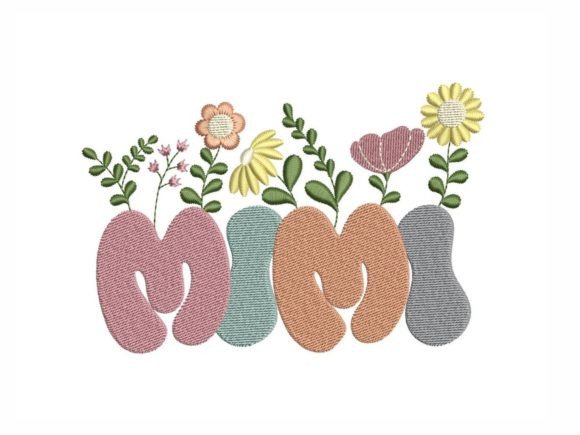
Mimi Flower Embroidery Design
First Impression: Romantic, Soft, and Timelessly Handmade
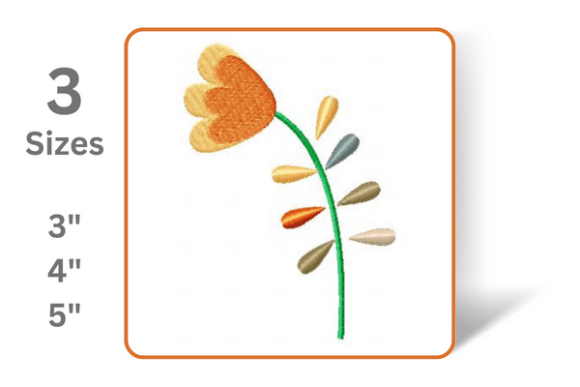
As an embroidery designer who’s prepped over 200 craft fair booths—from Portland pop-ups to Nashville holiday markets—I opened Mimi Flower expecting charm. What I got was quiet confidence: a romantic, softly dimensional floral motif that leans elegant without being fussy, delicate without sacrificing visibility. It doesn’t shout “Mother’s Day!”—it whispers it with grace. That subtlety is gold at craft fairs, where customers scroll past loud graphics and pause for warmth, texture, and intention. Mimi Flower lands as soft-farmhouse meets modern heirloom—ideal for buyers seeking handmade quality over mass-produced cuteness.
Where Mimi Flower Shines on Craft Fair Products
This design thrives where tactility and storytelling intersect. On a linen tea towel? Absolutely—it reads beautifully at 3.5" wide, with petal layers catching light and thread sheen adding depth. On a cotton apron pocket? Yes—its balanced scale (neither too dainty nor overwhelming) makes it feel intentional, not tacked-on. As a tote bag design, Mimi Flower works best centered just below the handle seam: large enough to register from three feet away, small enough to avoid competing with hand-stitched handles or natural fabric grain.
For embroidered patches, Mimi Flower holds up well—if digitized with thoughtful underlay and moderate stitch density. Its open petal structure avoids excessive buildup, so patches lay flat and sew cleanly onto denim jackets or canvas pouches. As a pillow cover accent, it shines in the top corner or centered on a 16" square—adding quiet luxury without demanding full-coverage embroidery. And on a small wall hanger banner? Perfect. Its vertical flow guides the eye upward, reinforcing handmade charm in a booth display.
What Holds It Back (and How to Work Around It)
Mimi Flower isn’t built for ultra-minimalist caps or curved surfaces without adaptation. The petal edges and subtle stem detail can blur on a baseball cap’s crown—especially on dark twill—unless you reduce density, simplify fill transitions, or add a light stabilizer layer. Likewise, on thick, textured kitchen towels (like heavy waffle weave), test stitch density first: too many overlapping satin stitches risk stiffness and puckering. Opt for a lightweight cutaway stabilizer and slightly looser tension to preserve drape.
Small lettering isn’t mentioned in the description—but if Mimi Flower includes any script elements (e.g., “Mimi” or “Bloom”), those will need careful scaling. Below 1.75", fine cursive risks losing legibility on rustic fabrics or in low-light booth lighting. Always run a printable mockup at actual size before cutting production fabric.
Photography, Listings, and Online Conversion
Mimi Flower photographs exceptionally well—especially on natural fiber backgrounds (unbleached linen, oatmeal cotton, raw wood). Its soft contrast and organic shape translate clearly in natural light, making it a strong performer for Etsy seller listings and Instagram booth previews. Unlike high-contrast geometric designs, Mimi Flower gains appeal the longer someone looks: the layered petals invite closer inspection, boosting dwell time on your product page.
For digital sellers offering the digital embroidery file, include three real-world mockups: one on a folded tea towel, one on a relaxed-fit apron, and one as a standalone patch on a cork board. These visuals signal versatility—and help buyers imagine how Mimi Flower fits their own creative process.
Production Practicality: Batch-Friendly, Not Fussy
This is a craft fair product that scales. With consistent hoop size and stabilizer choice, you can run 12–15 embroidered tea towels in under two hours—no rehooping mid-batch if the design fits comfortably within a 5x7 hoop. Its clean outer edge and moderate stitch count (assuming standard romantic-digitization standards) mean minimal thread breaks and easy color changes. That reliability matters when you’re stitching 40+ items before Saturday morning setup.
It also supports brand consistency. Pair Mimi Flower with a neutral thread palette—ecru, dusty rose, sage, and charcoal—and it becomes instantly recognizable across your line: same motif, different products, unified handmade voice. That cohesion strengthens booth display strength and builds repeat buyer trust.
Designer Notes You Can’t Skip
- Test on scrap fabric first—especially if using textured weaves or dark backgrounds. Thread contrast shifts dramatically under booth lighting vs. studio light.
- Review spacing between petals and stem. Tight gaps may close up on thicker stabilizers; open them slightly if needed.
- Confirm hoop size compatibility. If Mimi Flower pushes 5x7 limits, consider a 6x10 hoop for cleaner fills and less repositioning.
- Inspect stitch density in petal centers. Overly dense satin areas can cause shine inconsistencies or fabric distortion on lightweight cottons.
- Use the right stabilizer: medium-weight cutaway for knits (t-shirts), tear-away for stable wovens (aprons, pillow covers), and fusible + tear-away combo for textured towels.
- Create at least one real mockup—not just a digital preview. Drape it, hold it in natural light, walk away and look back. Does it hold attention? Does it feel like a finished product?
- Compare fabric colors side-by-side. A pale pink thread might vanish on blush linen but glow on ivory canvas.
- Confirm commercial licensing before selling finished goods. Since Mimi Flower is marketed for home decor and apparel, assume it permits commercial embroidery—but always verify terms in the original embroidery file documentation.
Final Verdict: A Quiet Standout for Thoughtful Sellers
Mimi Flower won’t dominate a crowded booth—but it will anchor your most memorable pieces. It elevates a simple tea towel into a small shop product with soul. It transforms an apron from utilitarian to giftable. It adds emotional resonance to a handmade product without leaning on cliché. For creative entrepreneurs building a sustainable, story-driven brand—not just seasonal inventory—Mimi Flower is more than a machine embroidery design. It’s a quiet invitation to slow down, appreciate detail, and celebrate care in making. That’s what sells at craft fairs. That’s what customers remember. That’s why Mimi Flower earns its place in your next booth lineup.