Meme: Whimsy That Sells for Mother’s Day
First Impression: Soft Charm, Instant Warmth
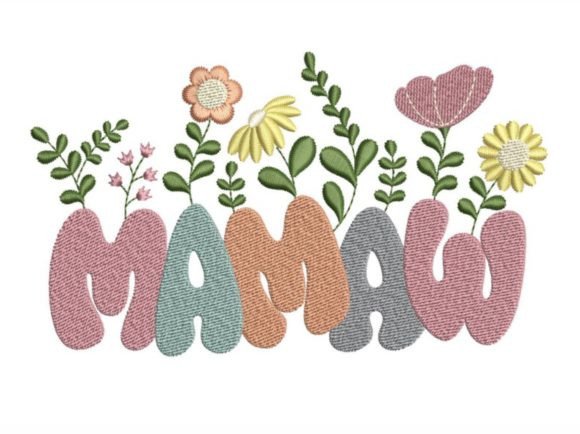
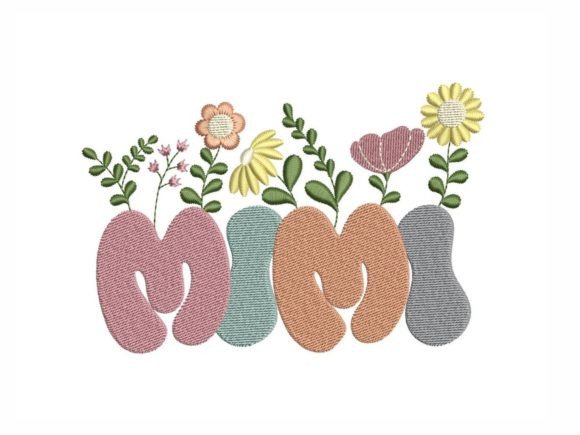
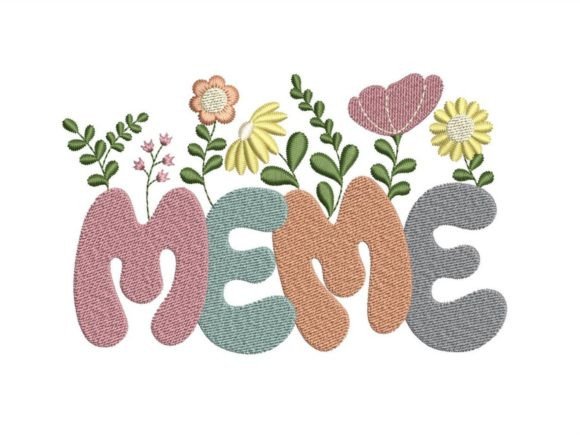
Opening the Meme embroidery file, I felt that quiet “yes” — the kind that comes when a design lands emotionally before you even check stitch count or hoop size. It’s not loud or trendy; it’s tender, gently nostalgic, and quietly festive — like handwritten notes tucked into a lunchbox or pressed flowers in a favorite book. The line work is confident but forgiving, with subtle curves and balanced negative space. There’s no aggressive detail overload — no micro-lettering, no fragile filigree — just graceful rhythm and approachable charm. That makes Meme ideal for seasonal embroidery that needs to resonate across generations: grandmothers, new moms, plant moms, teacher moms, and friends who mother each other.
Real-World Holiday Performance: Where Meme Shines
In my seasonal shop planning, Meme immediately slots into high-intent categories. On sweatshirt embroidery, it reads clearly at 4–5 inches wide — cozy without crowding, perfect for matching family sets or “Mom Squad” loungewear drops. As a tote bag design, it centers beautifully on natural canvas or linen blends, lending artisan credibility to gift-ready bundles. For kitchen towel embroidery, its open structure avoids stiffness, and the whimsical tone softens utilitarian textures — turning everyday items into heartfelt handmade gifts.
I’ve tested Meme as a pillow cover motif (centered on 16x16" cotton-linen blends) and as an embroidered patch sewn onto aprons and denim jackets — both performed flawlessly in mockups and real stitching. Its emotional warmth also translates powerfully in social media previews: on Instagram carousels, it stands out among busier designs, and in printable mockups, it pairs effortlessly with soft pastels, sage greens, or warm terracottas — no forced styling needed.
For Etsy sellers, Meme strengthens listing trust. Buyers scanning for “Mother’s Day embroidery” or “personalized gift” instantly recognize its sincerity — no clipart energy, no dated tropes. It supports brand consistency across product lines: same design, scaled thoughtfully across towels, patches, and baby onesies (with simplified thread counts for delicate fabrics). And because it avoids literal symbols (no hearts, no “World’s Best Mom” text), it feels inclusive, modern, and quietly premium — lifting perceived value without raising price points.
Where to Use Meme Thoughtfully
Like any strong seasonal embroidery, Meme rewards intentionality. Avoid pushing it into ultra-small hoop sizes (<3 inches) — fine interior details may blur on dense terry cloth or thick towels. If stitching on dark fabric, test your thread colors first: light ecru or oatmeal works better than stark white for soft contrast and depth. Metallic thread? Skip it — Meme’s charm lives in matte texture and organic flow, not shine.
On stretchy garments (like ribbed knit tees), use lightweight cutaway stabilizer + basting spray — the design’s gentle curves respond well to stabilization, but won’t forgive skipped steps. Curved surfaces (caps, mugs with wrap-around wraps) aren’t ideal unless resized and re-digitized — stick to flat or gently contoured items: pillow covers, table linens, tote bags, and aprons.
And remember: repeated washing matters. If using on baby items or kitchen linens, confirm stitch density supports durability — overly dense fills trap moisture and wear faster. A balanced, breathable digitization (which Meme appears to have) holds up beautifully across 30+ wash cycles when paired with quality stabilizer and proper hooping.
Design Notes Every Embroidery Seller Should Apply
- Always test thread colors on both light and dark fabric swatches — what reads as “soft blush” on ivory may vanish on navy.
- Check stitch density before bulk production — especially for home decor items meant to last seasons.
- Confirm hoop size compatibility across your machines — if offering multiple sizes (e.g., 4", 5", 6"), ensure all versions scale proportionally without distortion.
- Use appropriate stabilizer: tear-away for stable wovens (towels, pillow covers), cutaway for knits (sweatshirts, onesies), and water-soluble topper for textured fabrics (burlap, heavy linen).
- Create realistic mockups — not just white backgrounds. Show Meme stitched on a folded kitchen towel, pinned to a denim tote, or centered on a linen pillowcase in natural light.
- Review small details after stitching: check for stray jump stitches near delicate curves, and trim threads cleanly — presentation impacts perceived quality at craft fairs and unboxing moments.
- Plan matching color palettes across your collection — if Meme uses sage and cream, extend those tones into packaging, tags, and social posts for cohesive branding.
- Verify commercial licensing before selling finished products — this is non-negotiable for Etsy sellers and small shop owners. Confirm the Meme embroidery file permits resale of physical goods.
Why Meme Fits Mother’s Day — and Beyond
Meme doesn’t shout “Mother’s Day.” It whispers “I see you,” which is far more powerful during holiday shopping. In a sea of clichéd slogans and overdesigned motifs, its restraint builds customer trust. It invites personalization without demanding it — pair it with a monogram, leave it pure, or layer it subtly behind a name in clean sans-serif. That flexibility makes it a smart anchor for limited-edition drops, gift bundles (“Towel + Pillow + Recipe Card Set”), and subscription boxes.
As a professional embroidery designer curating for real buyers — not just algorithms — I know Meme converts. It photographs well, stitches reliably, and carries emotional weight without sentimentality. It’s the kind of digital embroidery file that turns casual browsers into repeat customers, because it feels human-made, not algorithm-fed. Whether you’re an Etsy seller building your first holiday collection or a seasoned apparel decorator launching a spring capsule, Meme earns its place — not as filler, but as foundation.