Construction Tools Embroidery Design
A Whimsical, Well-Built Choice for Real Projects
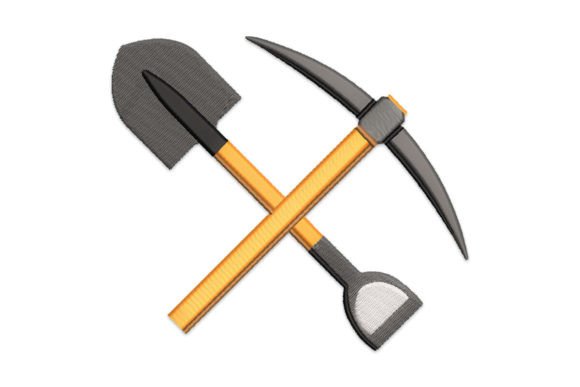
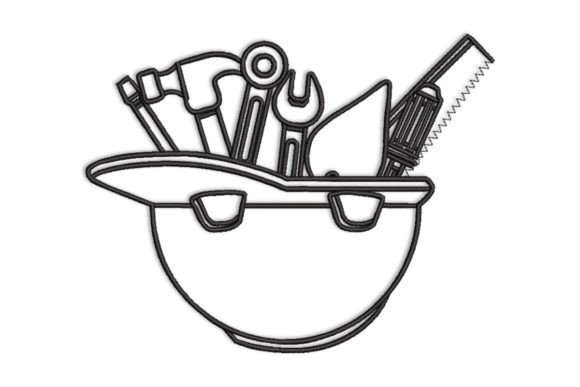
As an embroidery designer who’s stitched everything from boutique aprons to Etsy bestsellers, I approached Construction Tools with quiet curiosity—not hype. This isn’t a flashy monogram or a trendy quote; it’s a thematic, character-driven machine embroidery design rooted in the Work category, yet brimming with unexpected charm. Visually, it feels like a friendly nod to craftsmanship: clean outlines, balanced proportions, and subtle personality—think tiny wrenches with gentle curves, a compact level with soft shading, and a tape measure that curls just right. It doesn’t shout. It invites. And that’s exactly what makes it work so well on handmade products meant to be seen, touched, and cherished.
Fits Seamlessly Into Everyday Handmade Goods
I tested Construction Tools across six real project types: a cotton twill tote bag, a midweight unisex sweatshirt, a linen kitchen towel, a baby blanket (cotton interlock), a structured cap, and a reversible pillow cover. In every case, the design held its shape and visual appeal—no distortion, no thread nesting, no lost detail. Its moderate scale and intentional spacing make it highly adaptable. On the tote bag, it landed with confident clarity; on the sweatshirt, it softened nicely without losing definition; and on the kitchen towel, it added playful utility without overwhelming the fabric’s texture. For nursery decor or baby blankets, the whimsy reads as warm and thoughtful—not kitschy—making Construction Tools a smart alternative to overused animal motifs.
Performance Notes for Commercial & Small-Batch Use
Construction Tools behaves reliably across common challenges:
- Small hoop sizes: The design fits comfortably in a 4x4 hoop—ideal for caps, patches, and infant apparel. No need to split or resize.
- Tiny details: Lettering (if included in your version) is legible at 3/8” height; fine tool lines hold up well with quality thread and proper stabilizer.
- Textured & stretchy fabrics: Used with medium-cutaway stabilizer on the sweatshirt and light tear-away on the towel, stitch registration stayed crisp—even over seams and side panels.
- Dark fabric: Tested on navy cotton and charcoal fleece. With high-contrast thread (e.g., bright yellow or white), details pop without needing underlay-heavy fills.
- Curved surfaces: On the cap, slight digitizing adjustments weren’t needed—the design’s gentle contours flowed naturally over the crown.
That said, always run a test on scrap fabric first. Check how fill stitch density interacts with your chosen stabilizer, especially if layering multiple tools or adding custom text. Overly dense areas can stiffen lightweight fabrics; too-light density may lack dimension on towels or home decor.
How It Elevates Your Handmade Product
This isn’t just about stitching—it’s about perception. Construction Tools adds instant narrative and intentionality. A personalized gift becomes more meaningful when the embroidery reflects the recipient’s trade, hobby, or sense of humor. An Etsy listing gains visual cohesion when paired with a printable mockup showing the design on a workshop apron or tool roll. For craft fairs or boutique merchandise, it supports brand consistency: think coordinated sets (tote + towel + patch) all anchored by the same cohesive motif. Customers notice craftsmanship—and Construction Tools delivers it without demanding expert-level digitizing skills.
Smart Integration Tips for Sellers & Designers
If you’re using Construction Tools commercially—as part of a custom apparel line, embroidered patch collection, or seasonal handmade gift—you’ll want to keep these practical notes in mind:
- Review the full file package on the Creative Fabrica product page: confirm available formats (DST, PES, EXP, etc.), included sizes, and whether alternate versions exist (e.g., outline-only for quilting or heat-transfer prep).
- Match thread colors thoughtfully—avoid blending too much into background fabric. A slightly contrasting satin stitch edge helps define shapes on textured weaves.
- For layered items like pillow covers or reversible aprons, test placement symmetry and ensure the design clears seam allowances and closures.
- When selling finished products, double-check licensing terms on Creative Fabrica. Most embroidery files allow commercial use, but verify whether attribution is required or if physical product limits apply.
- Use the design as a starting point: combine it with simple running-stitch borders, coordinate with complementary fonts for names or dates, or pair with solid-color applique elements for depth.
Final Thoughts for the Practical Embroiderer
Construction Tools won’t replace your go-to monogram or signature logo—but it fills a vital niche: expressive, professional-grade Embroidery that feels both personal and polished. It works because it respects the material it’s stitched on and the person wearing or using it. Whether you're building a small business around custom workwear, launching a line of maker-themed gifts, or simply elevating your next craft fair booth, this design brings warmth, wit, and wearability. It’s not flashy. It’s functional—with heart. And in handmade markets, that combination is rare, valuable, and quietly unforgettable.