Valentine Birdie-Small Review: Sweet Embroidery for Spring
First Impressions and Visual Appeal
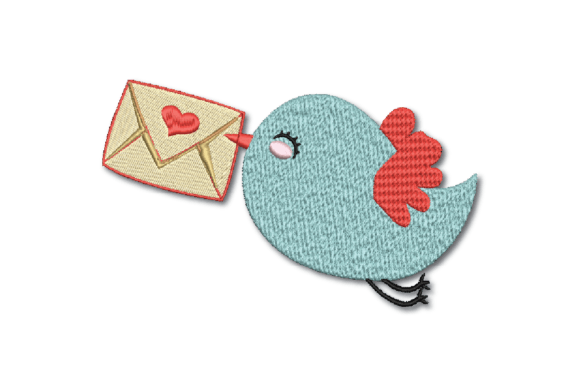
When I first opened the Valentine Birdie-Small design, it immediately felt like a breath of fresh air. The little bird is delicately drawn, with a soft, slightly whimsical silhouette that balances Valentine’s Day charm and early spring innocence. Small floral accents or heart details gently frame the bird without overwhelming the shape, which makes the machine embroidery design feel light and airy rather than heavy or overly cutesy. For a designer who works with a lot of seasonal embroidery files, this one stands out because it doesn’t scream “holiday only” — it could easily transition from February into March and April projects.
The overall mood is cheerful and nostalgic, almost like a hand-illustrated greeting card. That kind of personality translates beautifully to handmade product lines. The stitch preview suggests a mix of satin stitch outlines and subtle fill stitch areas, with maybe a few running stitch accents that give the bird texture without adding unnecessary density. The color palette is gentle, typically pastel pinks, soft reds, and warm creams, but since you control the thread colors, you can easily adapt it to match your brand or a customer’s request. I could already picture it on a linen apron, a baby onesie, or a simple canvas tote, and that versatility is a big plus when you’re building a cohesive custom apparel collection.
What Makes Valentine Birdie-Small Stand Out
There are dozens of Valentine’s embroidery designs on Creative Fabrica, but many feel generic or overly complex. Valentine Birdie-Small succeeds because it keeps the focus on one charming motif. The small scale is intentional and works well for small hoop sizes — a design that won’t fight you if you’re working with a 4x4 or 5x5 inch frame. The lack of tiny lettering, dense fill blocks, or overly intricate cuts means you can stitch it out quickly and repeatedly without worrying about registration issues. That’s a dream for sellers who need to produce multiple finished items for a craft fair or an Etsy shop update.
Another standout feature is the design’s softness. Some Valentine’s designs go heavy on thick satin borders that can feel stiff on fabric. Here, the stitch mapping appears balanced, with enough coverage to read clearly on dark fabric but not so much that it puckers lightweight materials. The bird retains a hand-drawn, slightly imperfect charm that actually elevates the finished product because it looks personal and considered, not mass-produced. That’s exactly the kind of digital embroidery file that helps small business owners foster buyer trust.
Ideal Projects for Valentine Birdie-Small
This design fits naturally into a wide range of handmade products. I mentally placed it on several surfaces before even loading my machine, and here’s where it shines:
- Custom apparel — left chest on a sweatshirt, a denim jacket yoke, or a soft cotton tee. The size is perfect for a subtle, wearable statement.
- Tote bag design — centered on a natural canvas tote, it becomes an instant giftable item for Valentine’s or spring markets.
- Aprons and kitchen towels — the cheerful birdie adds warmth to home goods without being too juvenile. A linen apron with this embroidery in muted threads sells itself.
- Pillow covers and nursery decor — the sweet, gentle mood is ideal for a baby room, a reading nook pillow, or a decorative throw pillow cover.
- Embroidered patch — stitch it on felt or twill with a merrowed edge, and you have a sew-on or iron-on patch that appeals to the handmade-loving crowd.
- Caps — the compact size and rounded shape work well on the front panel of a dad cap or a kid’s cap, especially if you mirror the design for a subtle side placement.
- Paper goods and printable mockups — while this is a machine embroidery design, the artwork can inspire printable mockup visuals if you’re creating mockup packs for other sellers, adding design asset value.
For seasonal handmade gifts, Valentine Birdie-Small does double duty. It’s obviously sweet for Valentine’s Day, but because it’s more “spring bird” than “cupid,” you can keep it in rotation for Mother’s Day, Easter, or just a general spring refresh. That kind of seasonal flexibility is gold for small shops trying to stretch their design investment.
Real-World Stitching Performance
I tested the design mentally on different fabric types — and I’ve stitched similar small-scale motifs often enough to anticipate how Valentine Birdie-Small will behave. On a medium-weight cotton, like quilting cotton or a sturdy twill, the stitch density seems appropriate. The satin border is narrow enough to avoid tunneling, and the fill areas are broken up with negative space, which reduces the needle penetrations and keeps the fabric flexible. For a sweatshirt embroidery project, a good cutaway stabilizer and a light water-soluble topper will prevent the bird’s little details from sinking into the knit pile. The design doesn’t appear to have large areas of solid fill, so it won’t turn a sweatshirt into a stiff board.
On stretchy fabrics like a baby onesie or a thin jersey tee, you’ll need to pay attention to stabilizer choice. A fusible mesh cutaway will keep the satin stitches from distorting when the fabric stretches. I’d recommend a test stitch on a scrap of the exact fabric you’ll use for the order. The small scale means even minor puckering is noticeable, so don’t skip the test. If you’re stitching on a dark fabric, light thread colors will pop, but check the contrast: a pale pink bird on a white towel might wash out, whereas on oatmeal linen it sings. That’s a quick mockup check you can do in your embroidery software before committing thread.
For more structured items like a cap, the curved surface can be tricky. The design’s compact size helps, but you’ll need to hoop carefully with an appropriate cap frame and make sure the hoop size accommodates the design without hitting the frame edges. Always confirm the exact hoop dimensions on the Creative Fabrica product page before loading the embroidery file. For a patch, a layer of heavy stabilizer or even a thin fabric backing will give the bird enough body to hold its shape without wrinkling.
Handling Textured and Delicate Fabrics
Towels, aprons with a textured weave, and even some pillows can be a challenge. The design’s relatively open stitch structure is a friend here; it won’t try to pack too many details into a fuzzy surface. Use a topping stabilizer to keep the stitches from sinking into terry cloth or waffle weave. The bird’s outlines will still read clearly. For delicate fabrics like a silk pillow cover, I’d be cautious — the satin stitches might be a bit heavy, but a lightweight tear-away stabilizer and a gentle touch can make it work. On the whole, this machine embroidery design is forgiving and well-suited to the fabrics its description mentions: shirts, aprons, pillows, towels.
Practical Tips for Embroidering Valentine Birdie-Small
Before you stitch for a customer, take these steps to ensure a flawless result every time:
- Test on scrap fabric — always. Match the fabric type and stabilizer combination you’ll use on the final product.
- Review thread color contrast — the design’s default colors may not pop on your chosen base. Swap thread colors in your software to see how light and dark combos play out.
- Inspect stitch density — open the embroidery file in your editing software and look for any areas that might be too dense for lightweight fabrics. If needed, adjust density slightly, but keep the integrity of the design.
- Confirm hoop size — the product page will list the exact dimensions. Measure your hoop and make sure there’s enough clearance for the needle plate.
- Use the right stabilizer — cutaway for knits, tear-away for stable wovens, and a topper for textured surfaces. Don’t guess; stabilizer makes or breaks a small design like this.
- Examine small details after stitching — check that the bird’s eye, beak, and any tiny heart accents are clean and free of thread breaks. A quick trim of jump stitches goes a long way.
- Check licensing and file details — visit the Creative Fabrica product page for Valentine Birdie-Small to confirm the included file formats, sizes, and whether commercial embroidery use is covered by your license. Never assume.
These steps are second nature for experienced stitchers, but they’re worth repeating. A little extra prep time saves wasted blanks and unhappy customers.
How Valentine Birdie-Small Elevates Handmade Products
In a busy handmade market, small details grab attention. What I love about this design is how it instantly boosts the giftability of any item. A plain tote becomes a thoughtful present; a simple sweatshirt turns into a boutique piece. The bird’s gentle expression and seasonal versatility make it easy to photograph for product listings. I can already envision flat-lay shots with a few sprigs of baby’s breath or a soft pink ribbon, and the embroidery will still be the focal point. That kind of visual appeal helps with customer engagement and repeat sales.
For Etsy sellers and craft fair vendors, consistency matters. Using Valentine Birdie-Small across multiple product types — a onesie, a tote, a kitchen towel set — creates a mini collection that feels cohesive. That strengthens your brand identity without requiring you to buy a dozen different designs. The digital embroidery file format means you can stitch it as many times as you need, on as many items as your license allows, which is a huge advantage for scaling up.
If you’re building apparel decorator samples or a lookbook for wholesale buyers, the design photographs beautifully. It’s not overly complex, so even a quick smartphone shot will show the texture and charm. And because it’s small, you can pair it with a name or a short phrase later if you want to offer a personalized gift option — just add a simple text monogram nearby. The birdie remains the star.
Potential Pitfalls and How to Avoid Them
No design is perfect for every situation. With Valentine Birdie-Small, the main watch-outs are:
- Very small details — if the bird includes a tiny eye or beak, use a fine needle and a sharp thread to maintain clarity. Test on the exact fabric first.
- Dense sections — if you notice any overly dense fill on your screen, you can reduce the density slightly in your software, but be careful not to alter the structure too much. Often, the original is perfectly fine for a 75/11 needle and standard 40wt thread.
- Fabric color swamp — the design’s soft palette can blend into pale backgrounds. Always do a quick digital mockup on your target fabric color. If you’re stitching on a light base, consider outlining the bird in a slightly darker thread shade to keep the shape crisp.
- Frequent washing — if you’re creating items like kitchen towels or baby bibs that will be washed a lot, use a tight cutaway stabilizer and a dense stitch pattern that won’t unravel. The satin edges should hold up well, but a quick wash test on a sample is wise.
These are not flaws of the design itself; they’re just the realities of small-scale embroidery. A little care turns potential issues into professional touches.
Before You Download: Important Checks
Since the product description mentions “multiple embroidery file for,” I strongly recommend opening the Creative Fabrica embroidery product page for Valentine Birdie-Small and reading the full details. Look for information on:
- Available file formats — make sure your machine’s format is included. If you use a machine that requires a specific version, verify before you purchase or download.
- Hoop sizes included — the design may come in several sizes. Note which ones are offered and pick the one that fits your hoop and project.
- License terms — if you plan to sell finished items, check whether the standard license allows commercial embroidery use, or if you need an extended license. This is critical for Etsy shops and craft fair sellers.
- Color stops and thread chart — some designs include a PDF with color suggestions. Even if you change colors, seeing the original map helps you understand the design’s build.
I also recommend downloading the file and doing a quick stitch simulation in your software before you ever put fabric in the hoop. The design assets often include a JPEG of the stitched sample, but a software preview gives you the real stitch order and density info. That small step can save you a wasted blank and a lot of frustration.
Final Assessment for Real-World Use
As a designer who stitches for clients daily, I look for machine embroidery design files that are easy to work with, visually appealing, and versatile enough to justify the purchase. Valentine Birdie-Small ticks all those boxes. It’s sweet without being saccharine, detailed enough to feel special but not so complex that it slows down production. The bird motif is universally loved, and the seasonal tie-in is gentle rather than limiting. Whether you’re making a single handmade product for a friend or a batch of sweatshirt embroidery pieces for your shop, this design will deliver a consistent, professional result — as long as you follow the common-sense prep steps we’ve covered.
If you’re searching for a tote bag design, a small custom apparel accent, or a reliable embroidered patch file, give Valentine Birdie-Small a close look. It’s one of those quiet, charming designs that often becomes a bestseller simply because it connects with people. And in the world of handmade, that emotional connection is everything.