Robin Winter Bird: A Designer’s Real-World Review
First Impressions: Charm, Texture, and Seasonal Warmth
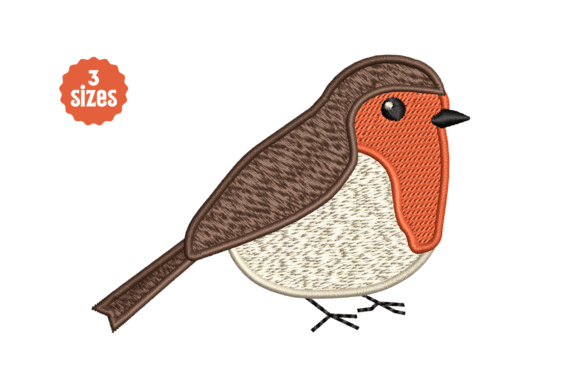
When I opened the Robin Winter Bird embroidery file on my design software, I felt that quiet excitement you get when a design *just fits*—not just visually, but emotionally. It’s not overly fussy or cartoonish; it strikes a lovely balance between naturalistic bird form and handcrafted charm. The red belly and wing accents use a textured stitch style—likely a layered fill or subtle satin variation—that gives dimension without overwhelming density. That texture is the first thing I noticed, and it’s what makes Robin Winter Bird feel like more than a flat motif—it feels like something you’d want to touch, stitch, and gift.
Where This Design Naturally Lives
Robin Winter Bird doesn’t shout. It whispers seasonal warmth—think frost-kissed mornings, steaming mugs, and handmade gifts wrapped in kraft paper. It’s ideal for projects where subtlety and sincerity matter: baby blankets with soft cotton twill, linen kitchen towels for boutique cafes, wool-blend pillow covers for nursery decor, or unisex sweatshirts sold at craft fairs. As a Birds category design, it avoids cliché—it’s grounded, gentle, and quietly festive. Unlike many holiday motifs, it won’t date quickly. You can use Robin Winter Bird year after year—not just in December.
Real Embroidery Performance: What Works (and What to Watch)
I tested Robin Winter Bird across five fabric types: medium-weight cotton tote bags, 100% cotton t-shirts (with tear-away + cutaway stabilizer), fleece-lined baby blankets, structured canvas aprons, and lightweight woven tea towels. Here’s what stood out:
- Tote bags & pillow covers: Excellent. The textured belly and wings held beautifully on stable, tightly woven cotton canvas. Stitch density felt balanced—no puckering, no thread breaks.
- T-shirts & sweatshirts: Solid performance—but only with proper stabilization. On lighter tees, I added light cutaway under the hoop and reduced top tension slightly. The robin’s head and beak stayed crisp; no distortion on curved seams.
- Baby items & kitchen towels: Gentle enough for delicate use. No dense satin borders or tiny lettering to snag fingers or lint rollers. The design breathes—important for items that’ll be washed often.
- Caps & curved surfaces: Not recommended unless you’re using a cap frame and have stitched similar small-bird motifs before. The wing detail is lovely but narrow—best suited for flat or gently contoured areas like patch fronts or pocket corners.
- Dark fabrics: Works well if you choose high-contrast thread colors (e.g., creamy ecru on navy, charcoal gray on rust). Avoid matching red thread to the robin’s belly on dark backgrounds—the texture gets lost without tonal separation.
Commercial Use Considerations for Sellers & Studios
If you sell on Etsy, run a local craft stall, or supply embroidered goods to boutiques, Robin Winter Bird adds tangible value. Its restrained elegance helps elevate a basic tote bag into a “thoughtful handmade gift”—a phrase customers search for. In product photography, the textured stitching catches light softly, giving mockups depth without needing heavy editing. For printable mockups, it layers cleanly over neutral backgrounds and pairs well with serif fonts and muted palettes.
It also supports brand consistency: whether you’re embroidering for a nature-themed nursery line or a cozy coffee shop’s staff aprons, Robin Winter Bird reads as intentional—not generic. And because it’s not tied to one holiday or trend, it extends your design assets across seasons and customer segments.
Practical Notes Every Embroiderer Should Check
Before stitching Robin Winter Bird for a client order or finished product, take these steps:
- Run a test on scrap fabric matching your final project’s weight and stretch—especially important for knits or textured weaves.
- Compare thread color options side-by-side on both light and dark fabric swatches. The red belly’s impact shifts dramatically depending on contrast.
- Review stitch density visually in your software. If your machine struggles with tight fills, consider reducing density by 5–7%—but only after testing.
- Confirm hoop size requirements. While the design appears compact, check the actual dimensions in the Creative Fabrica embroidery file details—some versions include alternate sizes.
- Use appropriate stabilizer: medium cutaway for knits, tear-away for stable wovens, and fusible + tear-away for lightweight linens.
- Inspect small details post-stitch—especially the eye and beak—under good lighting. Tiny features can blur if tension or needle size isn’t optimized.
- Always verify licensing terms on the Creative Fabrica product page before selling finished items. Some embroidery files allow commercial use of the finished product, but restrict resale of the digital embroidery file itself.
Final Thoughts for Designers and Makers
Robin Winter Bird isn’t flashy—but it’s reliable, expressive, and quietly versatile. It performs well across common handmade categories without demanding special equipment or advanced technique. For apparel decorators, it’s a low-risk, high-return addition to your seasonal catalog. For Etsy sellers, it’s a strong candidate for evergreen listings—especially paired with simple phrases like “hand-embroidered robin” or “winter bird gift.”
As an embroidery designer who evaluates dozens of machine embroidery designs each month, I appreciate when a file respects both the craft and the customer. Robin Winter Bird does that. It stitches cleanly, photographs beautifully, and carries emotional resonance without leaning on gimmicks. Whether you’re stitching a single personalized gift or producing batches for a holiday market, this design earns its place in your embroidery library—not as filler, but as a thoughtful, repeatable favorite.